Interface identity (इंटरफेस पहचान)
Land-water interface → seasonal variability → high productivity + shifting boundary
Definition must explain why the object is hard to govern.
The boundary moves because water moves.
CoreHome › Mains › Environment › Wetlands
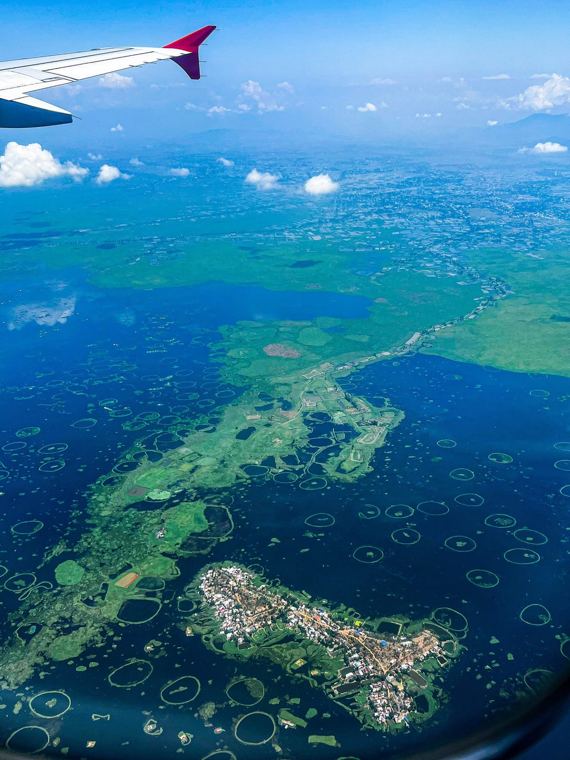
Ecological infrastructure, wise use, Ramsar instruments and the governance of an interface.
A wetland is an interface, neither fully land nor water. Its services depend on hydrological connection, so a fence-and-exclude conservation model cannot work.
(आर्द्रभूमि जल और भूमि का जीवित इंटरफेस है।)
Common spine
Start with the Wetlands causal spine. Select a question to see which steps matter most.
Land-water interface → seasonal variability → high productivity + shifting boundary
Definition must explain why the object is hard to govern.
The boundary moves because water moves.
CoreStorage + filtration + recharge + habitat + carbon + livelihoods
Treat wetlands as ecological infrastructure, not vacant land.
Value appears most clearly after the wetland is lost.
CoreUnclear records + invisible services → filling/drainage → plots, farms and infrastructure
Explain the incentive behind loss instead of blaming awareness alone.
Wetlands are converted into legible land uses.
CoreHydrological connection + human use → conservation through regulated use
Wise use is an ecological requirement, not a weak compromise.
An unfenceable system needs negotiated use.
CoreInventory + Ramsar list + Montreux Record + rules/programmes → visibility and accountability
Show what each instrument makes visible.
First register the wetland, then regulate change.
CoreWetland boundary < catchment + inflows + users + downstream services
Close beyond the notified polygon.
Protect the hydrology that makes the wetland possible.
Core